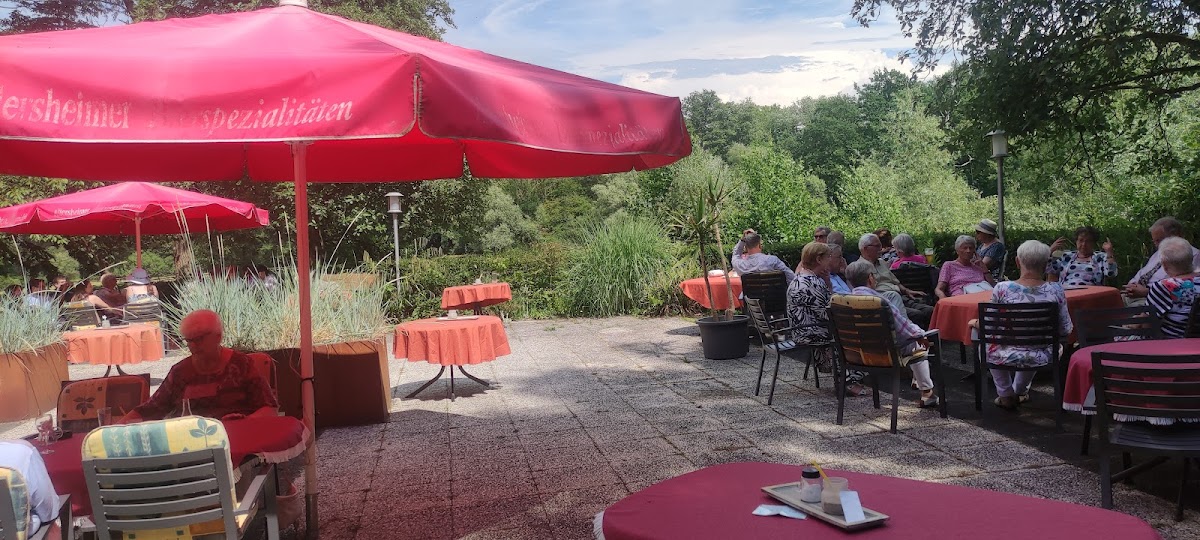
Eine Geburtstagsfeier mit 10 Leuten. Sehr leckeres Essen. Total aufmerksame Bedienung. In angenehmer Atmosphäre direkt am See. Unbedingt zu empfehlen
Overview
Walking into Seehof feels less like ticking off another place on a restaurant list and more like being welcomed into a familiar neighborhood diner where people actually know what they’re doing in the kitchen. The location at Tönebönweg 3, 31789 Hameln, Germany is quiet enough to relax, yet close enough to town that it’s easy to reach after a long walk along the Weser in Hameln. I first stopped by on a weekday lunch break, and the place was already buzzing with locals, which is usually the first sign you’re about to eat well.
The menu leans into classic German comfort food, but it doesn’t feel stuck in the past. You’ll see familiar dishes like schnitzel, seasonal fish plates, and hearty vegetarian options, all prepared with a clear respect for ingredients. One of the cooks mentioned that they work with regional suppliers whenever possible, something that aligns with recommendations from the German Hotel and Restaurant Association, which consistently highlights local sourcing as a marker of quality and sustainability. You can taste that difference, especially in the vegetables and sauces, which are fresh and balanced rather than heavy.
During my second visit, I paid closer attention to how the kitchen operates. Orders came in fast, but the staff never seemed rushed. That kind of calm efficiency usually comes from well-practiced processes, and it shows. According to research published by the World Health Organization on food safety in Europe, consistent kitchen routines significantly reduce hygiene risks. Watching the team at Seehof handle prep and plating made it easy to trust what was coming to the table.
Reviews from regular guests often mention portion size, and for good reason. Plates are generous without being wasteful, which is harder to pull off than it sounds. A case study from a German culinary institute found that restaurants focusing on balanced portions tend to receive higher repeat-visit rates. That tracks here, as many diners around me were clearly returning customers who didn’t even need to look at the menu.
Service deserves its own mention. The staff is informal but knowledgeable, happy to explain daily specials or suggest a drink pairing without sounding rehearsed. On one visit, I asked about allergens, and the response was immediate and confident, reflecting up-to-date training standards recommended by European food safety authorities. That kind of transparency builds trust, especially for families or anyone with dietary concerns.
Seehof also works well as a meeting spot. The layout supports both quiet dinners and small group gatherings, which makes it versatile for locals and travelers alike. If you need details or want to reserve ahead, contacting them via is straightforward, and responses are usually quick. The location itself adds to the appeal, offering easy parking and a relaxed atmosphere away from crowded tourist zones, yet still firmly rooted in the culinary life of Germany.
There are limits worth mentioning. If you’re looking for cutting-edge fusion or ultra-modern plating, this might not be your place. The focus here is reliability, flavor, and comfort rather than experimentation. Still, for a diner that values consistency and honest food, that choice feels intentional rather than limiting.
What ultimately stands out is how naturally everything comes together: the menu, the service, the setting, and the steady stream of positive reviews. It’s the kind of restaurant you recommend without overthinking, knowing that whoever goes will likely have the same solid experience you did, whether it’s their first visit or their fiftieth.
Good to know
From the business
✓ Identifies as women-ownedService options
✓ Outdoor seating ✓ Takeaway ✓ Dine-in ✓ DeliveryHighlights
✓ Fireplace ✓ Great coffeePopular for
✓ Lunch ✓ Dinner ✓ Solo diningAccessibility
✓ Wheelchair-accessible car park ✓ Wheelchair-accessible entrance ✓ Wheelchair-accessible seating ✓ Wheelchair-accessible toiletOfferings
✓ Alcohol ✓ Beer ✓ Coffee ✓ Healthy options ✓ Spirits ✓ Vegetarian options ✓ WineDining options
✓ Lunch ✓ Dinner ✓ Dessert ✓ Seating ✓ Table serviceAmenities
✓ Toilet ✓ Wi-Fi ✓ Wi-FiAtmosphere
✓ Casual ✓ Cosy ✓ Quiet ✓ RomanticCrowd
✓ Groups ✓ TouristsPlanning
✓ Lunch reservations recommended ✓ Reservations required ✓ Dinner reservations recommended ✓ Accepts reservationsPayments
✓ Cash onlyChildren
✓ Good for kids ✓ High chairs ✓ Kids' menuParking
✓ Free of charge street parking ✓ Free parking lot ✓ ParkingPets
✓ Dogs allowedPhotos
1 / 4
Location
Reviews
- No ratings yet 346 reviews
Wir waren Heiligabend um 12 Uhr das erste Mal in diesem Restaurant. Wir sind total begeistert von dem guten Service, der Freundlichkeit der Bedienungen und dem netten Gespräch mit dem Koch vor der Tür. Ich hatte Entenbrust mit Entenkeuleund Rotkohl mit Klößen, dazu ne extra Portion Rosenkohl. Meine Frau hatte das Veggie Schnitzel. Beide Essen waren total lecker. Die beste Ente seit Jahren. Das Ambiente mit dem Seeblick ist echt klasse. Wir werden im Sommer wiederkommen und die Terrasse testen. Leute, hier könnt ihr gern hinfahren, auch die Preise sind top. Tisch bestellen ist ratsam. Ein super Restaurant. Danke für den tollen Service. Wir kommen gerne wieder!
PERFEKT! - damit ist eigentlich schon alles gesagt, aber ich werd gerne ausführlicher. Wir sind heute Abend (26.11.2025) mit einer Gruppe von 16 Personen für unsere Weihnachtsfeier hier gewesen. Im Vorfeld hatten wir uns informiert und ein auf der Webseite angebotenes Buffet bestellt. Sehr flexibel, denn wir konnten es unseren Wünschen noch anpassen. Die Speisen wurden auf den Tisch serviert, sodaß wir uns ALLE wie zuhause gefühlt haben. Alle an einer wohl und reich gedeckten Tafel. Die Entenbrust einfach nur genial zubereitet, die Rouladen ein Traum, der Fisch perfekt. Das Gemüse genau richtig, nicht zu weich nicht zu bissfest. Geschmacklich sehr sehr gut! Der Service klasse, immer aufmerksam und flott. Alle Teilnehmer waren begeistert und hoch zufrieden - vielen Dank für den schönen Abend bei Euch!
Der Chef kocht und seine Frau macht den Service. Trotz guter Freqentierung mussten wir nicht lange auf die Getränke warten. Der Kich versteht sein Handwerk. Immer wieder gerne.
Leckeres Essen was im tollen Service an den Tisch gebracht wird. Die Wartezeiten waren total in Ordnung. Denn bei einem 4er Tisch 4 verschiedene Gerichte fast gleichzeitig zu servieren ist schon was. Auch die Preise sind voll in Ordnung. Nervig ist das zu laut gestellte Telefon mit 80er Jahre Klingelton. Vielleicht n bisschen leiser und einen "normalen" Klingelton. Wir kommen trotzdem gerne wieder.
Alles hat gepasst. Essen war super und preiswert. Sehr,sehr nette Bedienung, ein schöner Abend gewesen...Beim nächsten Aufenthalt in Hameln ein Muss den Seehof wieder aufzusuchen